How Middle East crisis shifts Europe's energy investments
Yunus Kemp
Posted on: 29 May 2026
Since 2020, investment in renewable power generation across the EU has nearly doubled to more than $105 billion, says the IEA
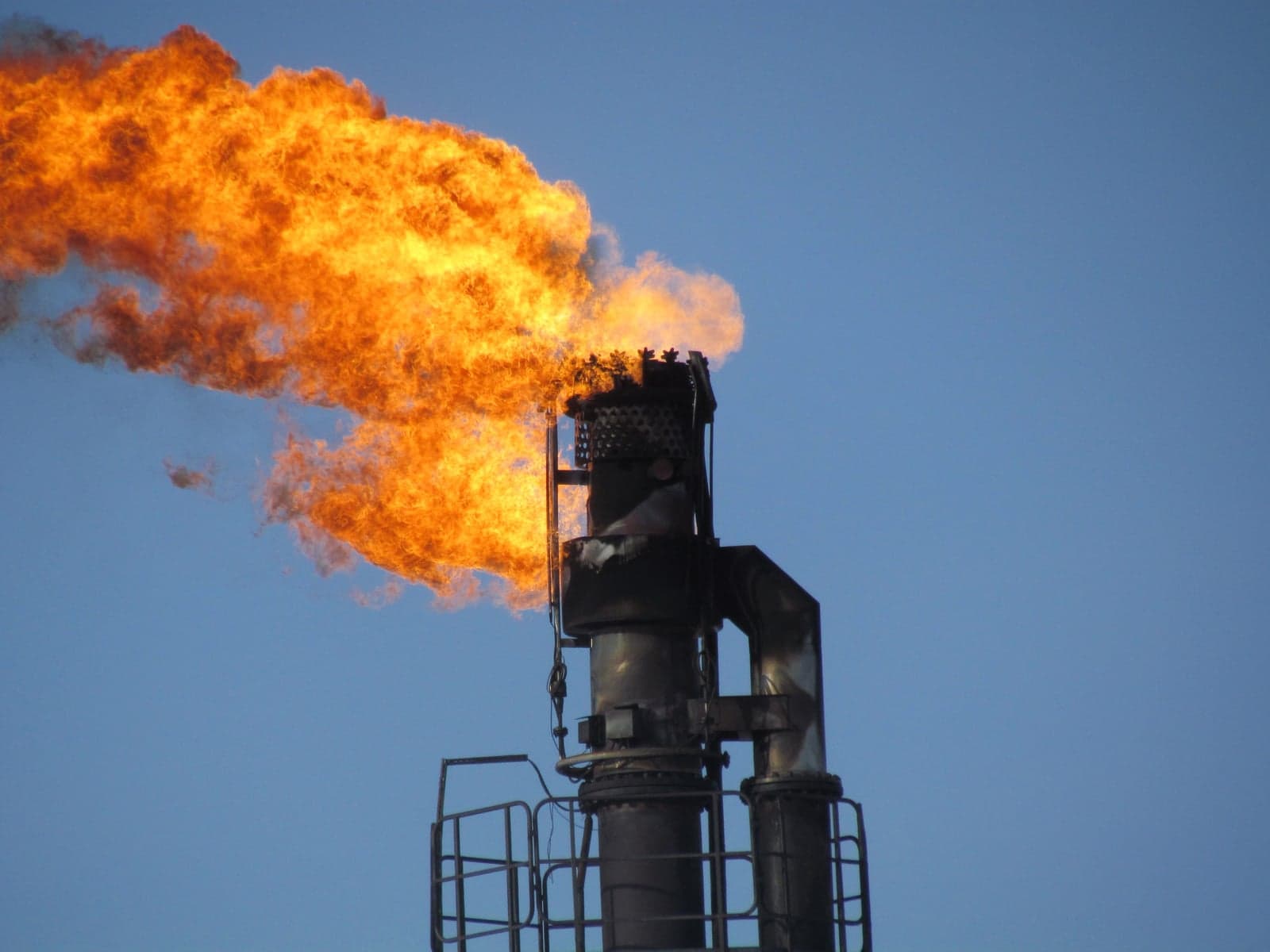
The escalating crisis in the Middle East and the effective closure of the Strait of Hormuz are forcing governments and energy companies to rethink investment strategies, with Europe accelerating efforts to shield itself from future supply shocks through renewables, electrification and grid expansion.
The 2026 edition of the International Energy Agency’s annual World Energy Investment report warned that the latest geopolitical shock - coming just a few years after Europe’s energy crisis triggered by Russia’s invasion of Ukraine - was set to leave a lasting imprint on global energy flows and investment decisions.
Confidence in the reliability of oil and gas transit through the Strait of Hormuz had been “profoundly shaken”, reinforcing a renewed focus on energy security, diversification and resilience among both producer and consumer nations.
“We are in the midst of the largest energy security crisis the world has ever faced, and I believe this will reshape investment strategies globally, with parallels to the major changes the energy world witnessed after the oil shocks of the 1970s,” said IEA executive director Fatih Birol.
Europe looks for energy security
The Strait of Hormuz crisis has hit Asia and the Middle East hardest, given that 80% to 90% of Gulf energy exports had been destined for Asian markets.
However, Europe - still recovering from the fallout of reduced Russian gas supplies - is also moving aggressively to reduce exposure to external supply disruptions.
The report projects that global energy investment will rise 5% year-on-year to $3.4 trillion in 2026 despite heightened market volatility and geopolitical uncertainty.
Of that total, around $2.2 trillion is expected to be directed towards renewables, nuclear, electricity grids, storage, low-emissions fuels, electrification and efficiency measures, while fossil fuel investment is forecast at $1.2 trillion.
For Europe, the latest crisis is reinforcing an energy transition already accelerated by the war in Ukraine.
According to the IEA, renewable energy investment in Europe rose 7% last year, supported by policies aimed at boosting energy security and reducing fossil fuel dependence.
Have you read?
Achieving Europe’s independence through local homegrown energy
Physical infrastructure resilience - key for securing the whole system resilience
Ramping up renewable energy output
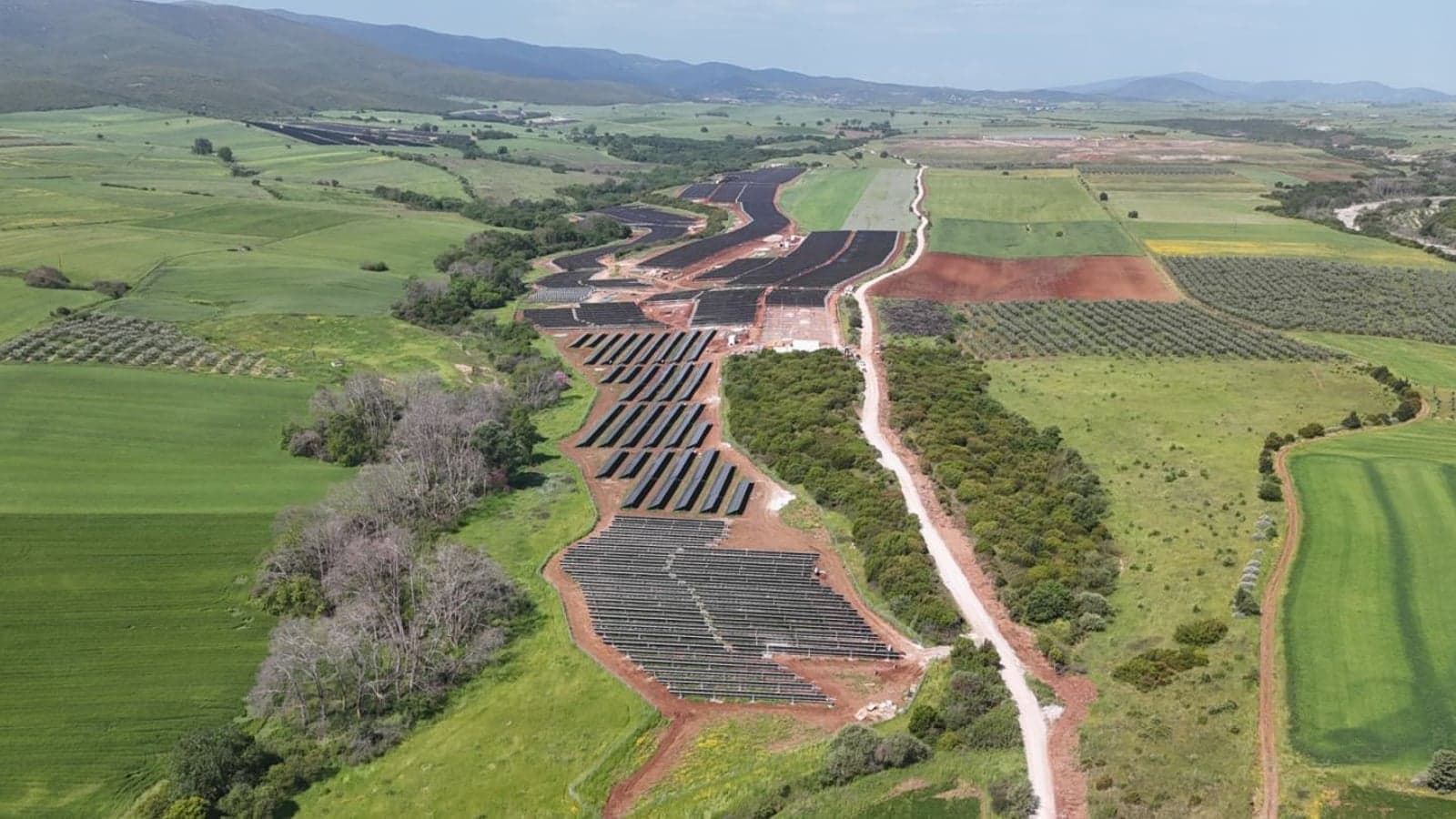
Over the past six years, investment in renewable power generation across the EU has nearly doubled to more than $105 billion, said the IEA.
"Since 2020, the European Union has rapidly increased its rollout of clean energy technologies while reducing reliance on fossil fuels. Investment in renewable power generation has almost doubled to over $105 billion, with anticipated spending on clean energy sources almost 30 times higher than for fossil fuels in 2026."
Also, the European Commission and the European Investment Bank (EIB) have launched a Clean Energy Investment Strategy aimed at mobilising nearly $90 billion for clean energy projects over the next three years.
Solar PV and onshore wind projects continue to attract strong investment, with spending expected to reach $75 billion in 2026 as technology costs decline and deployment expands.
Offshore wind development has faced setbacks, including failed auctions in some markets, but European governments are seeking to revive investor confidence.
In January 2026, nine countries, transmission system operators and industry groups signed an Investment Pact for the North Seas, targeting the construction of 15GW of offshore wind capacity annually between 2031 and 2040.
The initiative is expected to unlock $1.2 trillion in economic activity and channel more than $11 billion into supply chain manufacturing capacity by 2030.
The IEA said Europe’s push for energy security was increasingly centred on electrification and infrastructure resilience.
Battery storage investment in the EU is projected to reach nearly $13 billion in 2026 - a 30-fold increase from 2020 - while investment in transmission and distribution infrastructure is expected to hit $110 billion.
Grid expansion across Europe
Major grid expansion plans are already under way across the bloc:
- Germany is forecasting transmission investments of $420 billion by 2045,
- France’s grid operator RTE plans to spend $117 billion by 2040
- Italy’s Terna has earmarked $27 billion through to 2034
- Spain is targeting $13 billion in grid spending by 2030.
The report noted that Europe had sharply reduced its dependence on Russian gas since 2021, cutting imports from 42% of supply to 15% by 2025. The EU has also agreed to phase out Russian gas imports completely from 2027.
To diversify supply, Europe has expanded liquefied natural gas (LNG) imports from the US and Africa, with LNG infrastructure investment almost doubling from $9 billion to $17 billion by 2025.
At the same time, rising energy price volatility has intensified pressure on European governments to ensure that the clean energy transition remains affordable for households and industry.
Several countries have responded with temporary tax cuts on energy products, retail fuel price caps and lower electricity taxes aimed at supporting electrification.
The global picture
Globally, the IEA said the current crisis was reshaping investment patterns across multiple energy sectors.
Oil investment is expected to decline for a third consecutive year in 2026, falling below $500 billion despite elevated crude prices. The agency cited uncertainty over the duration of the price spike, supply chain constraints and long project lead times as key reasons for restrained spending outside the Middle East.
Natural gas investment, however, is projected to climb to $330 billion - the highest level in a decade driven largely by new LNG export projects in the US and Qatar.
The report also pointed to renewed interest in domestically available energy sources, including renewables, nuclear power and, in some cases, coal.
The agency also warned that the Middle East conflict was complicating financing conditions for future energy projects.
Investment decisions impacted
Financial market volatility triggered by the crisis is slowing investment decisions and increasing long-term borrowing costs, particularly for capital-intensive technologies in emerging and developing economies where financing costs are already significantly higher than in advanced economies.
Electricity-related infrastructure remains the dominant theme in global energy spending trends. Investment in electricity supply and infrastructure is projected to approach $1.6 trillion in 2026 and rise to $2 trillion when end-use electrification is included.
Spending on electricity grids is expected to near $550 billion this year, while battery storage investment is forecast to exceed $100 billion globally.
The rapid expansion of data centres and artificial intelligence is also emerging as a major driver of energy investment, particularly in the US.
Access the 2026 edition of the IEA’s annual World Energy Investment report